

The Foundation
The Kurt Grinnell Aquaculture Scholarship Foundation (dba Kurt Grinnell Indigenous Aquaculture Scholarship Fund) was established to carry on Kurt Grinnell’s legacy by providing financial assistance to enrolled member of a United States-recognized Tribe, Alaska Natives or members of Canadian recognized First Nation, Metis or Aboriginal groups, and who are pursuing or wish to pursue studies in aquaculture or aquaculture technology (or fisheries or natural resource management or a closely related field). The scholarship awards may be used at any recognized university, community college, technical college, trade school, or used by students for any purpose in support of education. We recognize that not all trade schools, colleges or universities offer coursework in aquaculture, and we will, therefore, consider awards to students or prospective students who are pursuing degrees or certificates in natural resource or fisheries science or management. However, we place special emphasis on students who have demonstrated interest and experience in aquaculture.
Jim Parsons, Foundation Board member, a longtime friend and business partner of the late Kurt Grinnell and now the Vice President for Aquaculture at the Jamestown S’Klallam Tribe has noted that “Kurt embodied the belief of his culture that it is important to plan seven generations ahead. He understood that the culture of finfish, shellfish, and aquatic plants was an important solution to the decline in harvest of traditional wild species, and a way for Pacific Northwest Tribes to harvest seafood in their usual and accustomed areas as guaranteed under Federal Treaties.” Parsons added, “Kurt’s vision was to help other Northwest Tribes see aquaculture as a key to achieving food sovereignty and security—rather than a threat.” –
Jim Parsons, Foundation Board member, and longtime friend and business partner of Kurt Grinnell.
Statement of Purpose
The Kurt Grinnell Aquaculture Scholarship Foundation (KGASF) is established for the purpose of providing financial assistance for any enrolled member of a United States-recognized Tribe who is pursuing or wishes to pursue studies in aquaculture or aquaculture technology at a recognized university, community college, technical college, or trade school, or other recognized institution or program. It is the Foundation’s goal to allocate scholarship funds to individuals who reflect the desire to grow in the field of aquaculture and who reflect the values that characterized Kurt Grinnell. In addition, our mission is to provide educational opportunities to Tribal and First Nations Members to learn about aquaculture via seminars and training opportunities.
Board of Directors
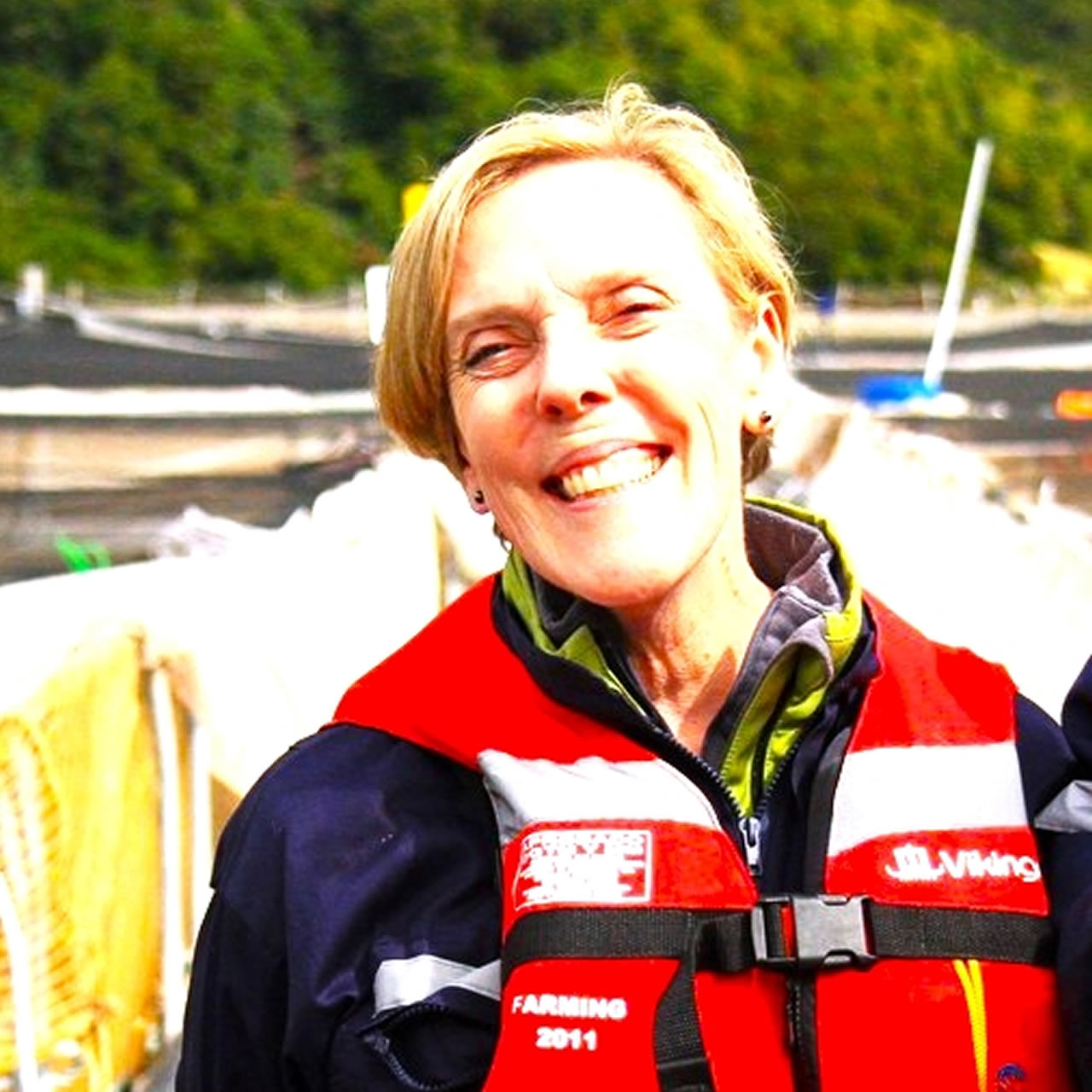
Jeanne McKnight has worked all aspects of the global aquaculture industry for more than 25 years–where she has earned a reputation as a strong advocate for the commercial wild harvest sector as well as the responsible fish farming sector worldwide. She is a frequent contributor to trade magazines and has spoken extensively on the benefits of aquaculture at various conferences.
Jeanne McKnight, Ph.D.
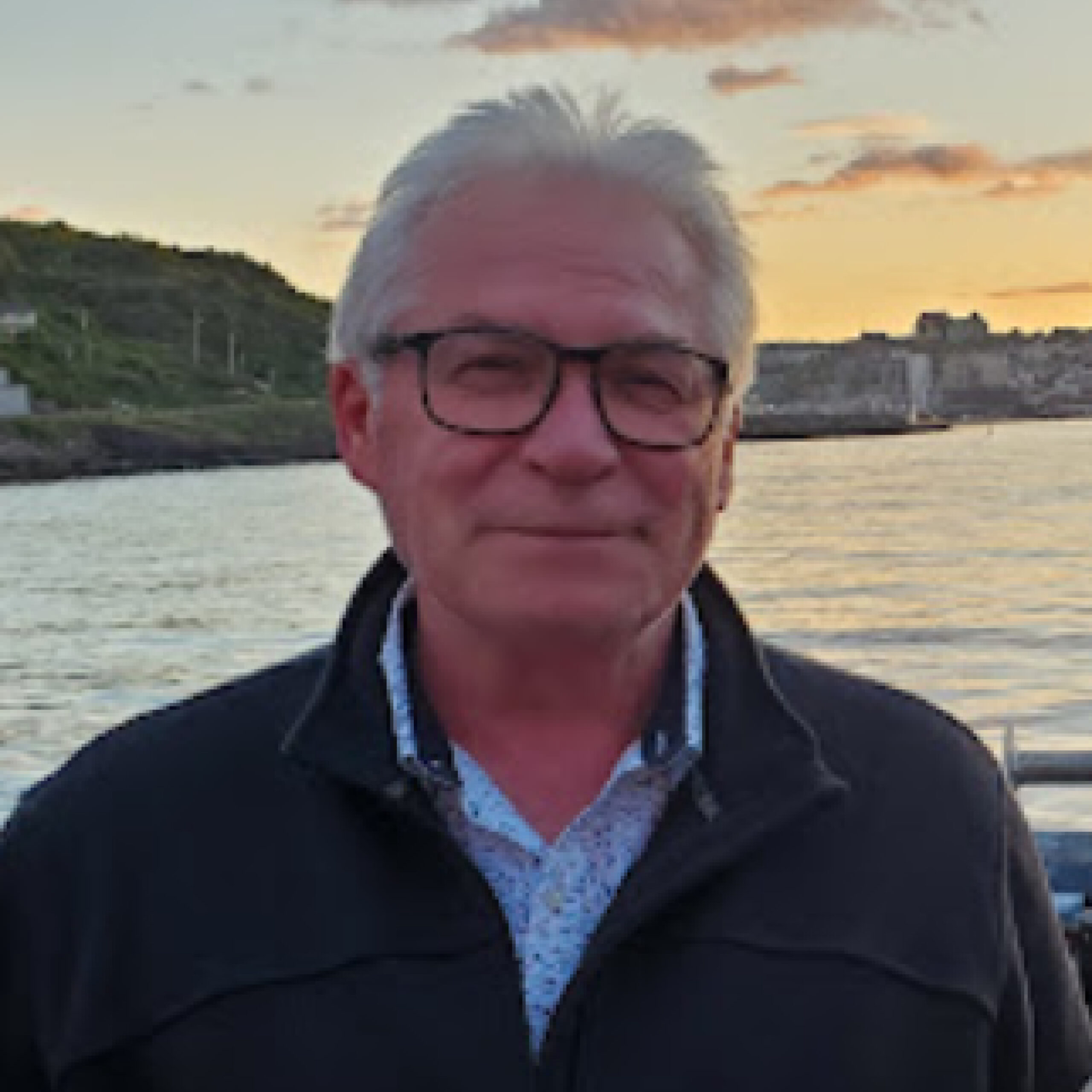
Cyr has received numerous awards for contributions to regional and national aquaculture and farming organizations. He is most proud of his former students / mentees from across Canada and the world who now lead in various capacities in aquaculture research, policy, and production. Over the past 25 years he has provided over 50 scholarships to deserving students for academia, for attendance at international aquaculture meetings, and for livelihood. He looks forward to working with aquaculture leaders in Canada and the USA to raise the profile of the Kurt Grinnell Foundation to allow more indigenous peoples with opportunities to participate in aquaculture in their ancestral lands.
Cyr Couturier
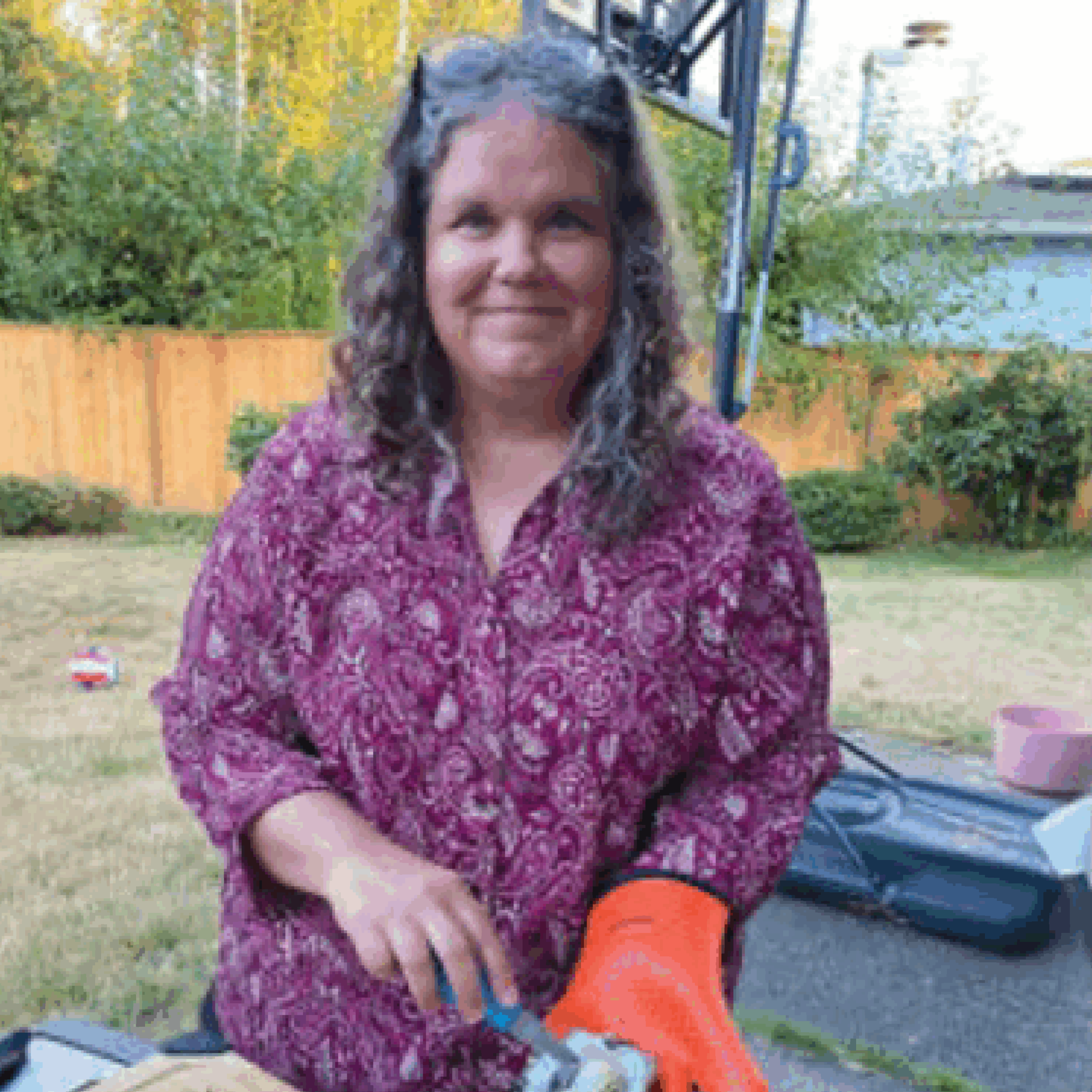
Teri King is the West Coast Aquaculture Coordinator for NOAA Fisheries. She has several decades of experience working in aquaculture and fisheries. Teri was an aquaculture specialist and coordinator with as well as the Marine Water Quality Specialist with Washington Sea Grant at the University of Washington. She has also served as a fisheries consultant in both private and public agencies and as a research and teaching assistant at the University of Washington. Teri has been an author of over 20 papers dealing with aquaculture, fisheries and habitat issues. Teri holds a B.S. and M.S. from the University of Washington.
Teri King
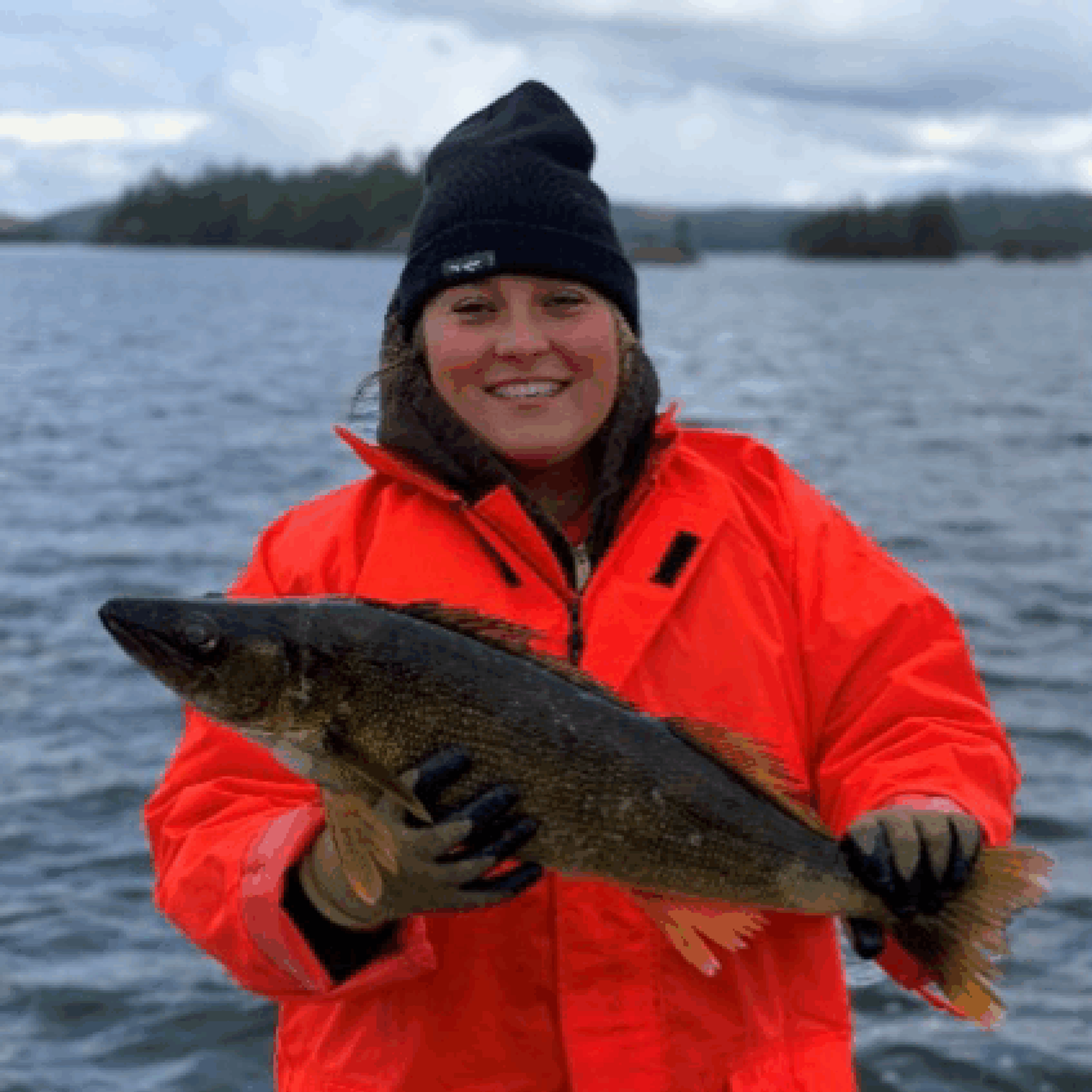
Taylor Nicholls is a member of Wahnapitae First Nation in Ontario, Canada and is a recent MSc graduate in Biology from Laurentian University. While she may be new to the Aquaculture world, she has held a great passion for aquatic science and natural sciences since her childhood.
Taylor Nicholls
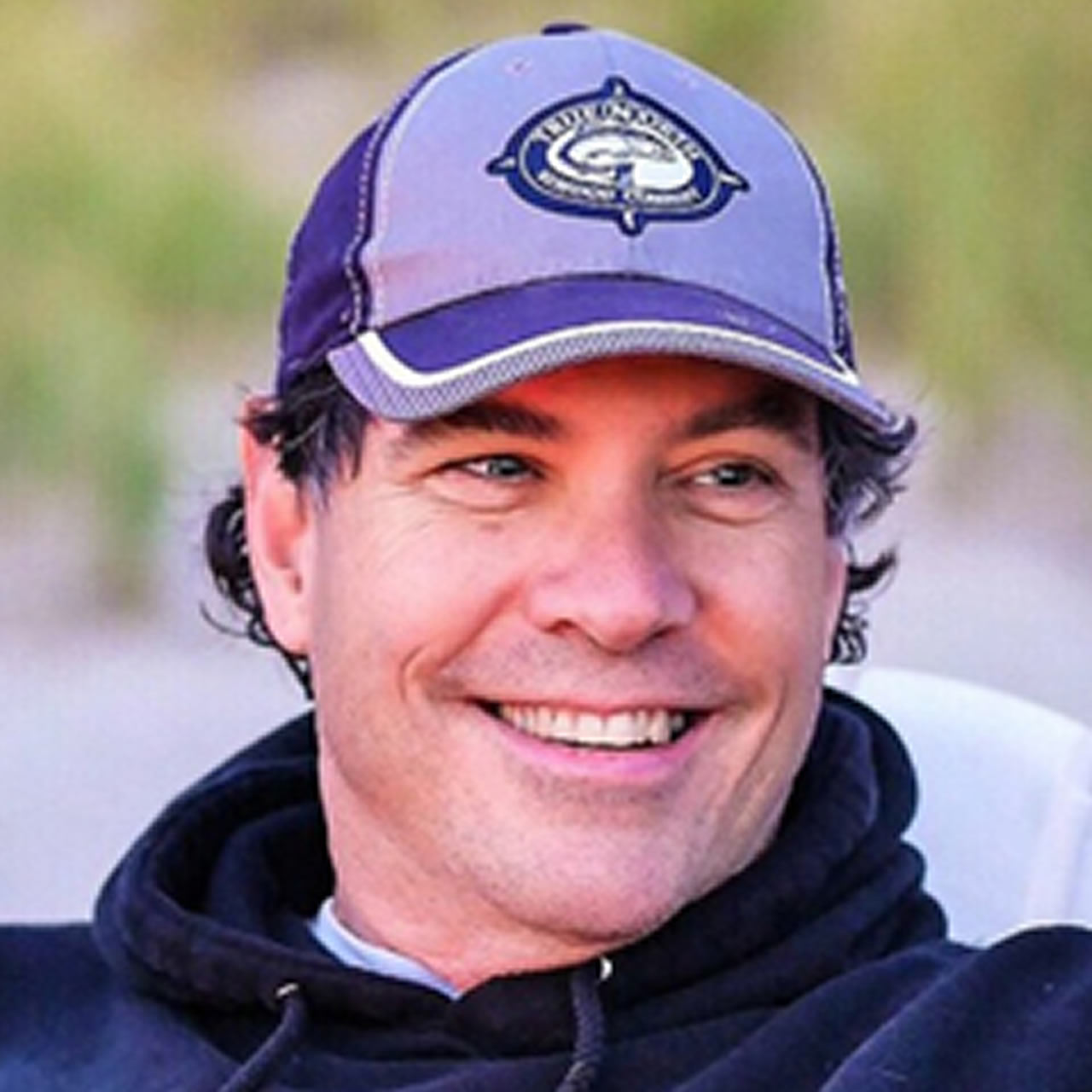
James E. (Jim) Parsons assumed the role of CEO of Jamestown Seafood in late August 2021. Jamestown Seafood raises and harvests seafood from the cold clean waters along the Strait of Juan de Fuca at the entrance of Puget Sound.
The company operates from tribal lands within Sequim Bay, offering several varieties of oysters, geoduck clams, and oyster seed.
Jim Parsons
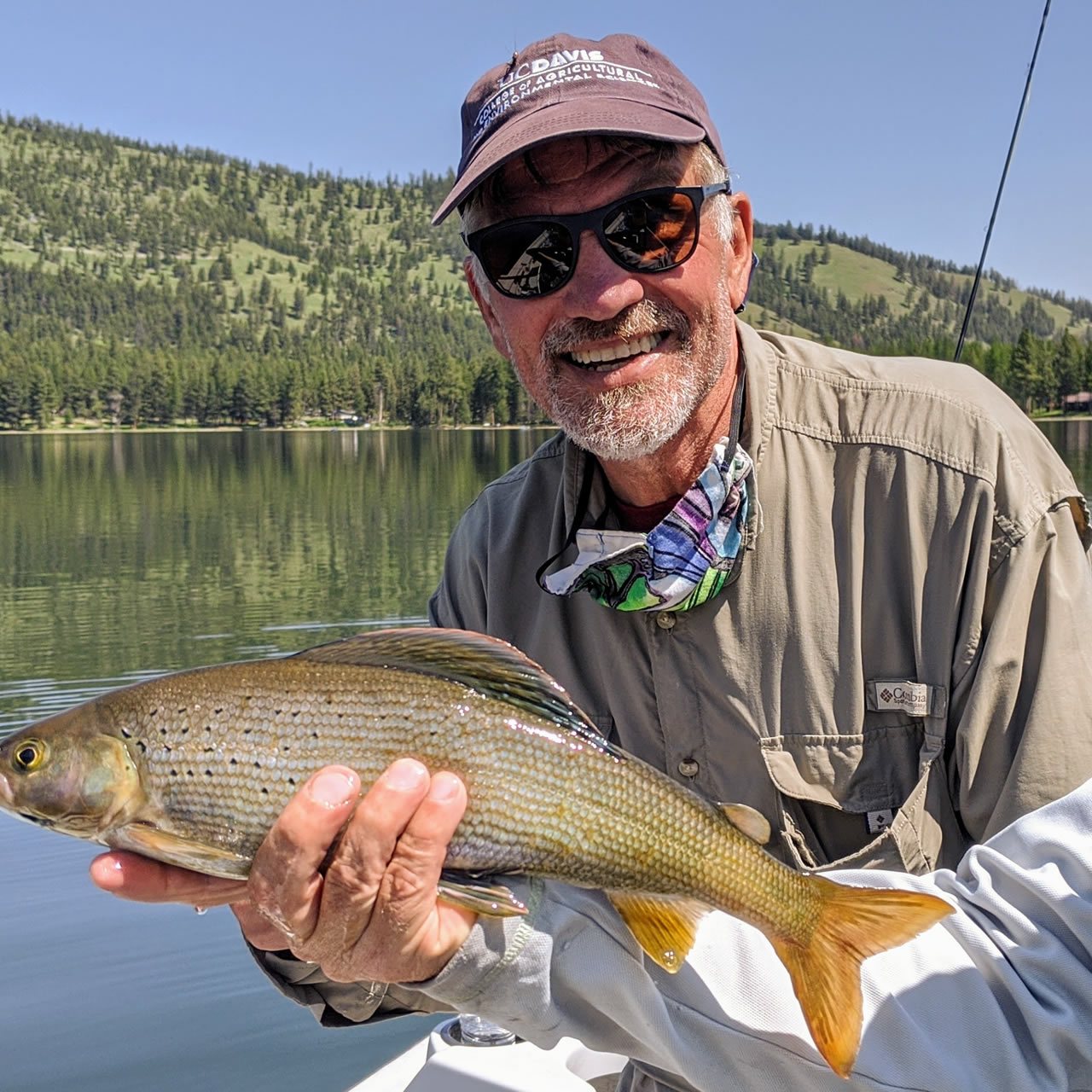
John Dentler
Scarlett is an instructor at the University of Maine’s Aquaculture Research Institute and Cooperative Extension. A first-generation college student and 4-H alum from rural Ohio, her passion for fish began with a 4-H aquarium project. After moving to Maine, she explored aquaculture through research with species like lobsters and salmon, eventually shifting her focus to education and mentorship. Scarlett now supports students through research, internships (ARI’s Externship Program, AquEOUS), and youth programs (4-H Aquaponics Project, 4-H Aquarium Club). She has published nearly 20 articles on marine invertebrates and animal behavior. She holds a B.S. and M.S. from Ohio State University and a Ph.D. from the University of Florida, and leads outreach and workforce development efforts in aquaculture.
Scarlett Tudor
Tiffany Waters is the Global Aquaculture Program Manager for The Nature Conservancy. She leads TNC’s Restorative Seaweed Initiative that seeks to create a thriving global seaweed industry that helps improve ocean health while benefiting local and Indigenous communities. Before joining TNC, she was the Business Manager for the Hama Hama Company; and worked for five years at the Northwest Indian Fisheries Commission in Puget Sound conservation. She is a Chinook Indian Nation Tribal member.
Tiffany Waters
Betsy founded Puget Sound Restoration Fund (PSRF) in 1997 and served as executive director before shifting into the role of Director Emeritus. She served as President of the Pacific Shellfish Institute 2007-2022, and on the Governor’s Blue Ribbon Panel on Ocean Acidification in 2012. In 2013, she collaborated with NOAA to establish the Kenneth K. Chew Center for Shellfish Research and Restoration, which PSRF operates to help restore native shellfish and other living marine resources. Betsy has a degree in English from Stanford University and a lifelong interest in the marine world.
Betsy Peabody

Jeff Hetrick brings over 40 years of experience in Alaska’s aquaculture industry to the KGISF. He spent two decades managing salmon hatcheries for organizations including the Prince William Sound Aquaculture Association and the Alaska Department of Fish and Game. He later founded Alaska Aquafarms, an oyster farm in Prince William Sound, and helped launch mariculture programs for the Chugach Regional Resources Commission. Since 2002, Jeff has led the Alutiiq Pride Marine Institute (APMI), which supports aquaculture through research, ocean acidification monitoring, and studies of harmful algae and phytoplankton across Alaska.
Jeff Hetrick